Trans-inclusive WASH

Learn how gender diversity shapes sanitation needs and why inclusive design is essential for equitable WASH systems.

Sanitation systems designed around cis-normative assumptions often exclude transgender and gender-diverse people, making public facilities unsafe, inaccessible, or unusable. This exclusion limits participation in schools, workplaces, and public life, and exposes individuals to harassment, violence, and stigma. Many are forced to avoid using toilets or rely on unsafe alternatives, affecting their physical, emotional, and mental well-being.

Although Indian law recognises transgender persons as a “third gender”, lived realities show a wide gap between legal protections and daily experience. Advancing trans-inclusive sanitation requires approaches that move beyond binary gender norms and foreground dignity, safety, and equality.

We need inclusive toilets not just as a basic amenity, but as a fundamental human right.

Know more
Meghna Sahoo
President of the Transgender SWIKRUTI Self Help Group (SHG), Odisha

The NALSA judgment affirms transgender persons’ right to access public facilities, including sanitation, as part of their fundamental rights. However, trans communities continue to face infrastructural exclusion, stigma, policy gaps, and a lack of gender-affirming provisions — from toilets to menstrual hygiene products.

Understanding sanitation as both a legal right and a matter of social justice highlights the urgent need for inclusive design, protection from discrimination, and accountability in implementation.

Explore how India’s policy frameworks address trans inclusion — and where gaps remain for meaningful, gender-affirming sanitation.

DID YOU KNOW?

A 2025 survey in Kolkata showed that 52% transgender or queer people reported experiencing harassment inside public toilets. Source

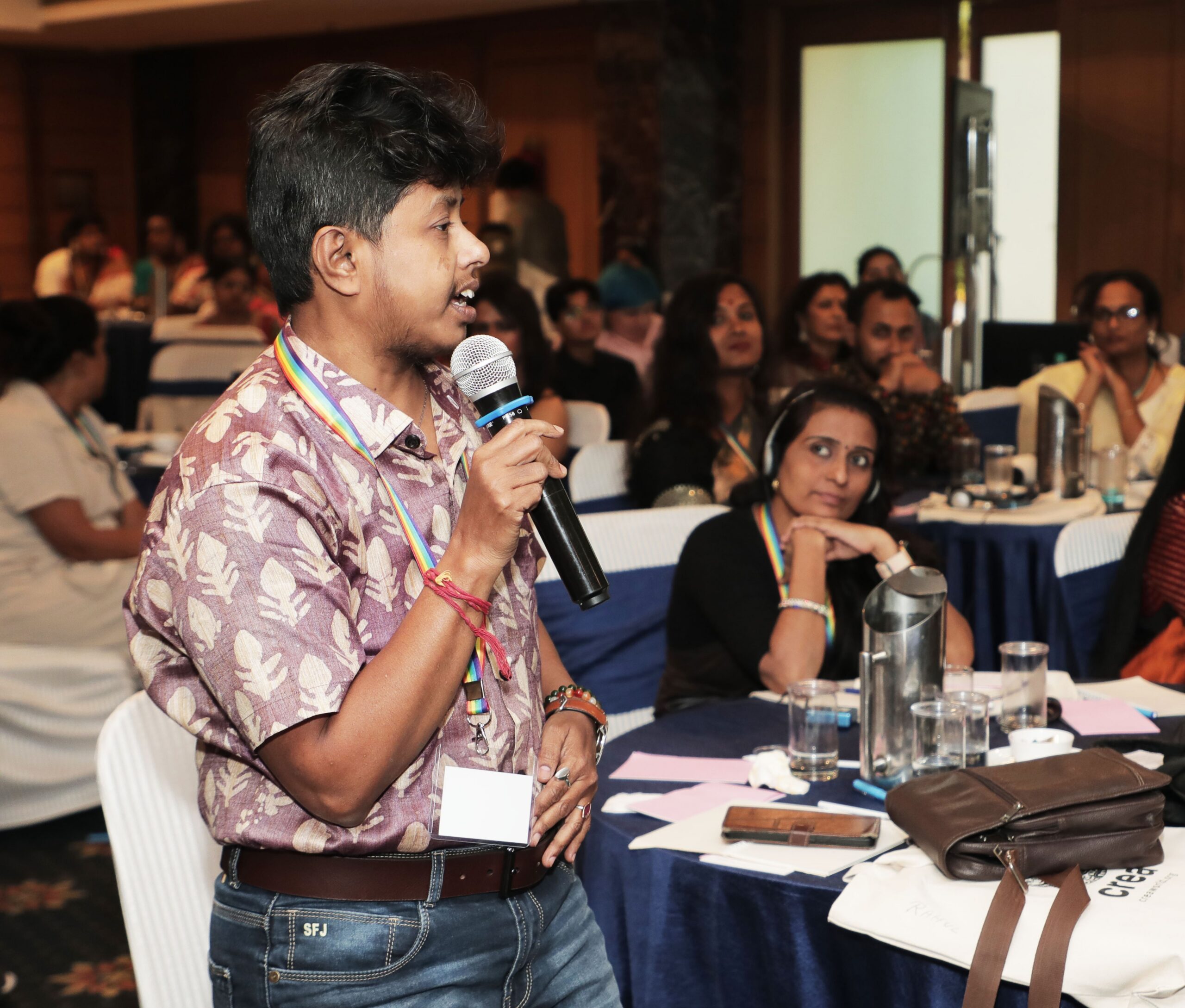
CREA’s National Consultation on Trans-Inclusive Sanitation brought together activists, practitioners, policymakers, and transgender community members to address the lack of data, visibility, and policy attention. Through lived experiences, participatory exercises, and open dialogue, the consultation highlighted key barriers such as safety concerns, stigma, and the debate between separate vs. integrated sanitation facilities.

It emphasised the need for systemic reform and the importance of embedding trans voices in planning and decision-making.

Explore insights from the National Consultation to understand the priorities and challenges shaping trans-inclusive sanitation.

Improve your understanding of Trans-inclusive WASH through curated guides, briefs, and training tools designed to support more inclusive and equitable sanitation practice.

Subject-matter experts