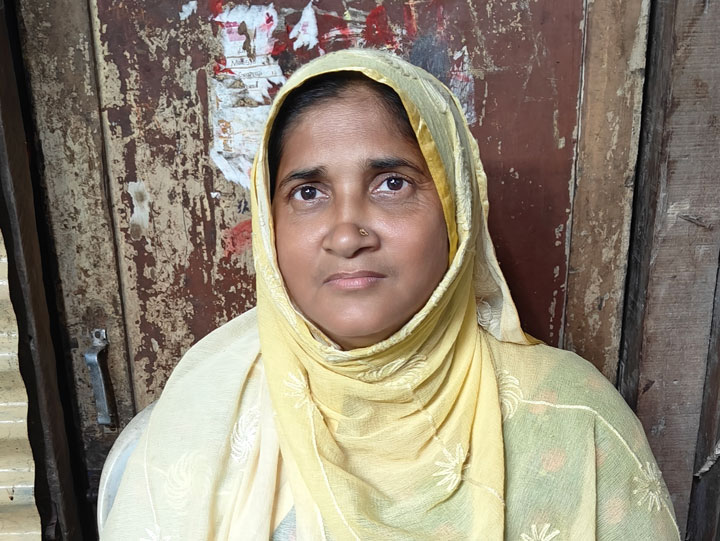
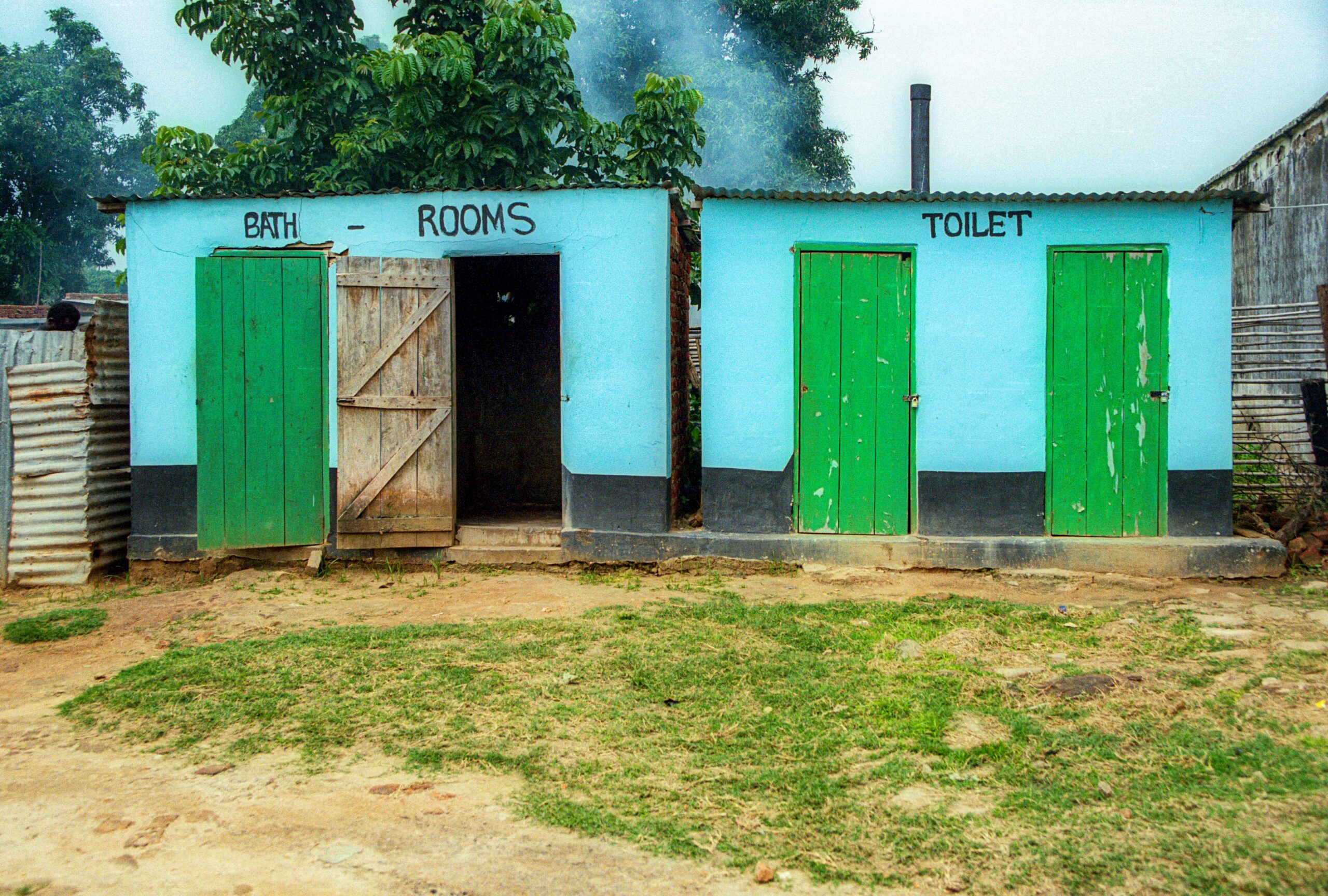
At night, I never go to the community toilet alone. My husband or one of my sons has to come with me because men who drink and use substances are lurking outside.
Learn how gender shapes sanitation, and why inclusive, rights-based approaches are essential for equitable WASH systems.
Gender deeply shapes how people access and experience sanitation. Social norms, safety concerns, mobility restrictions, and unequal decision-making power influence whether women, girls, transgender, and non-binary people can use sanitation safely and with dignity. These barriers affect health, education, livelihoods, and participation in public life.
People with disabilities—especially women and those from marginalised castes—face additional challenges due to inaccessible infrastructure and stigma. Transgender and gender-diverse persons are often excluded because safe, gender-affirming toilets are rarely available.
Advancing gender-transformative sanitation requires addressing these inequalities and designing systems that work for everyone.
The Right to Sanitation is recognised in India as part of the constitutional right to life and dignity, placing a clear responsibility on the State to ensure safe, equitable, and accessible sanitation for all. Yet structural barriers continue to limit access for women, gender-diverse persons, Dalits, persons with disabilities, and other marginalised communities.
Understanding sanitation as both a legal right and a social justice issue helps reveal how discrimination is embedded within WASH systems. Realising this right requires gender-sensitive, inclusive, and accountable policies that dismantle structural inequities.
Explore how India’s policy frameworks shape sanitation access and where gaps remain for gender-transformative change.
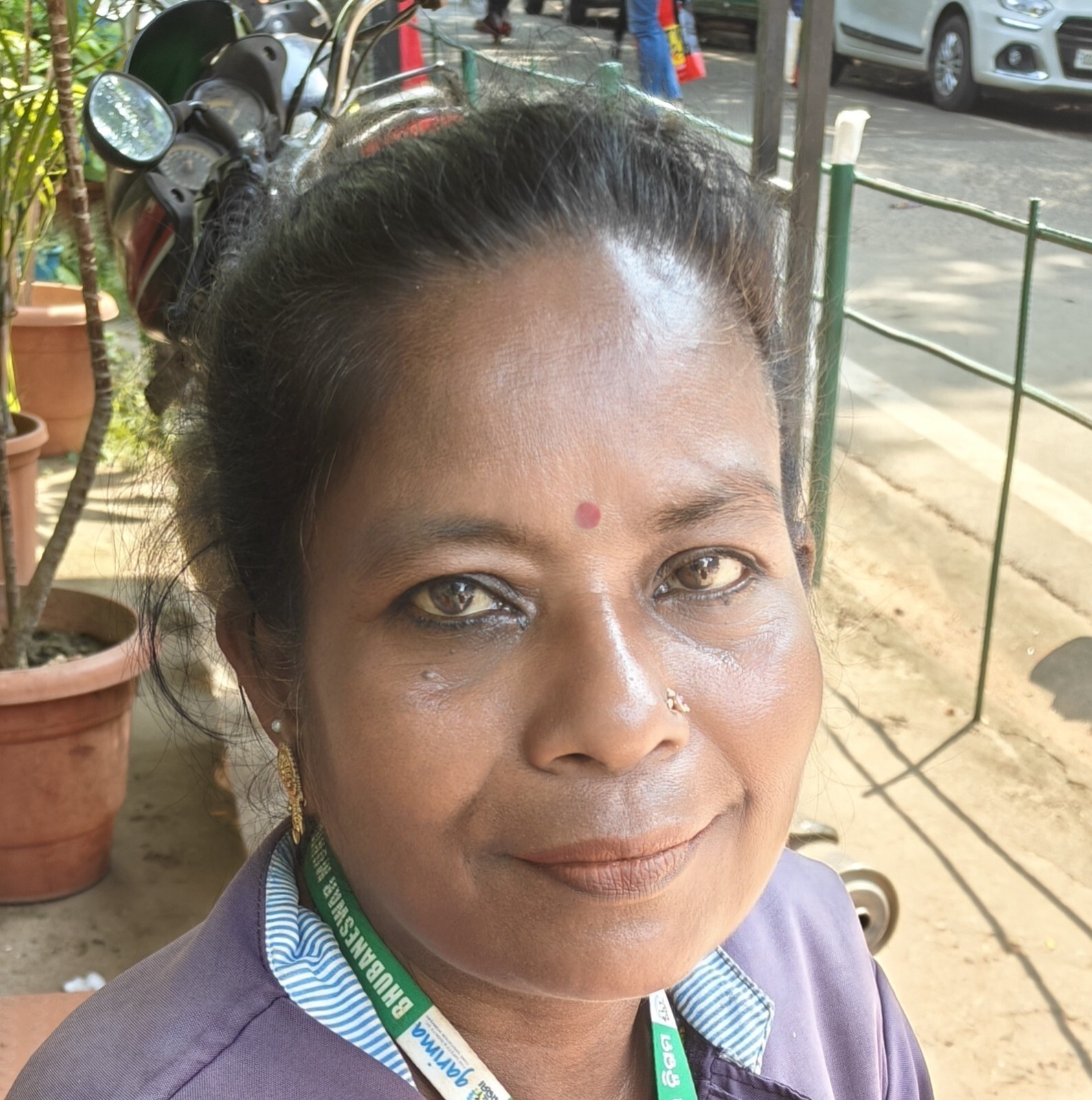
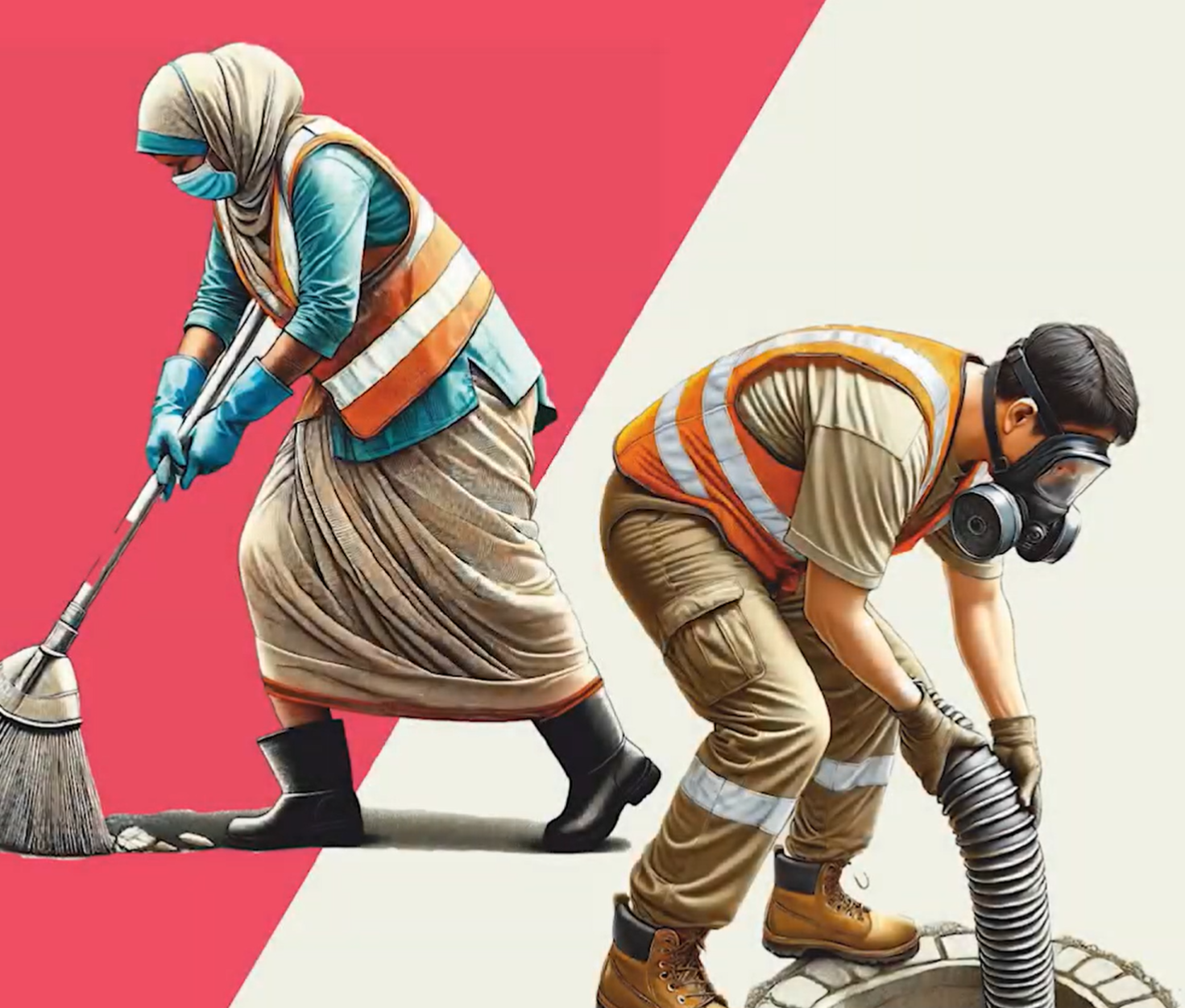
Women in sanitation work often occupy informal, low-paid, and unsafe roles, facing gender-based discrimination and limited recognition. Transgender and gender-diverse workers experience similar risks, intensified by stigma and lack of protection.
In 2024, CREA convened a Conclave on the Occupational Health of Sanitation Workers to examine these intersecting challenges. Building on this dialogue, CREA and UMC, supported by OPM, are conducting an ongoing study on the occupational and sexual health of women and transgender sanitation workers in Gujarat and Odisha.
Explore insights from the Conclave and ongoing study to understand why occupational health must be central to inclusive sanitation.
Reimagine sanitation through a gender, sexuality, and rights-based lens.
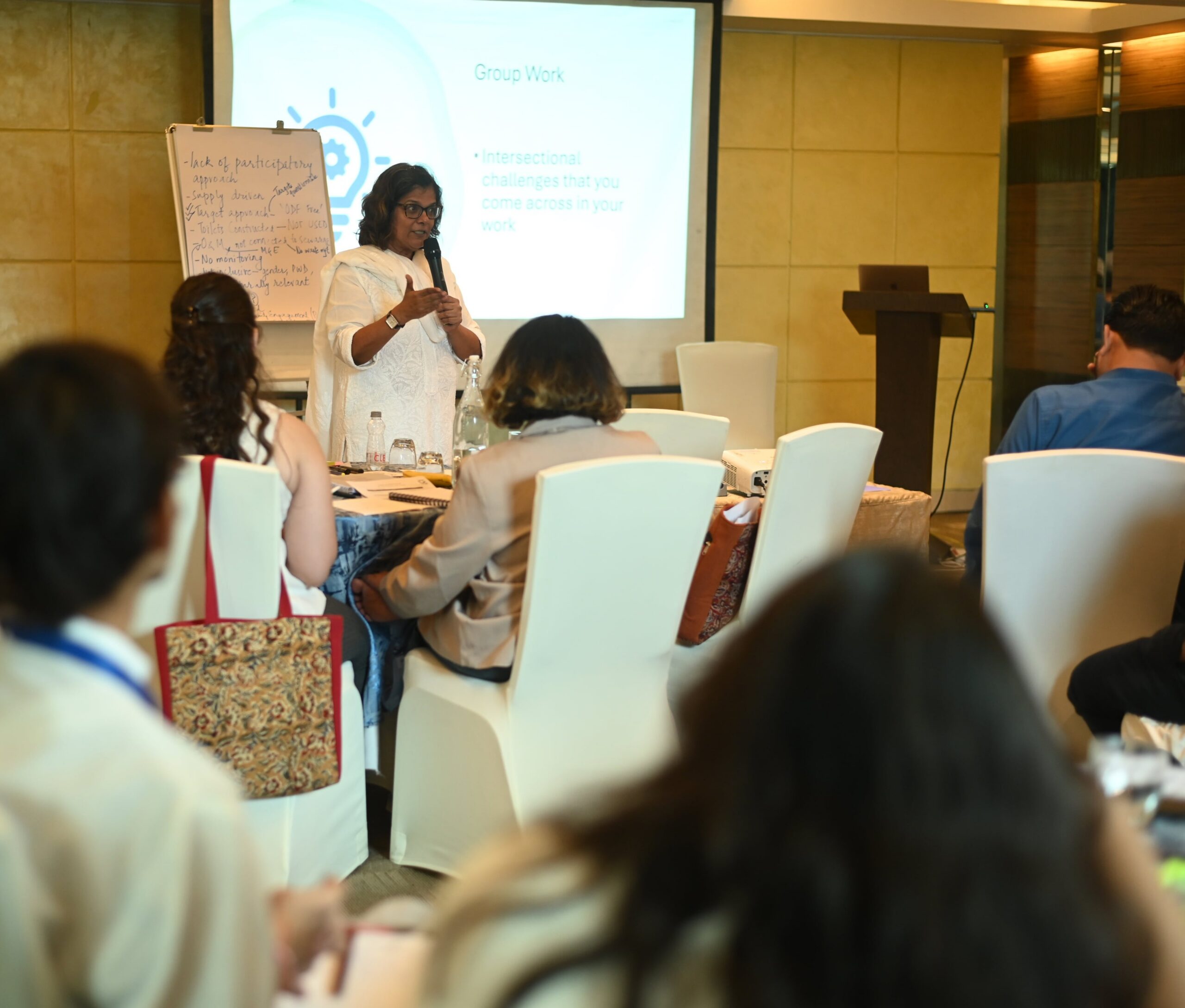
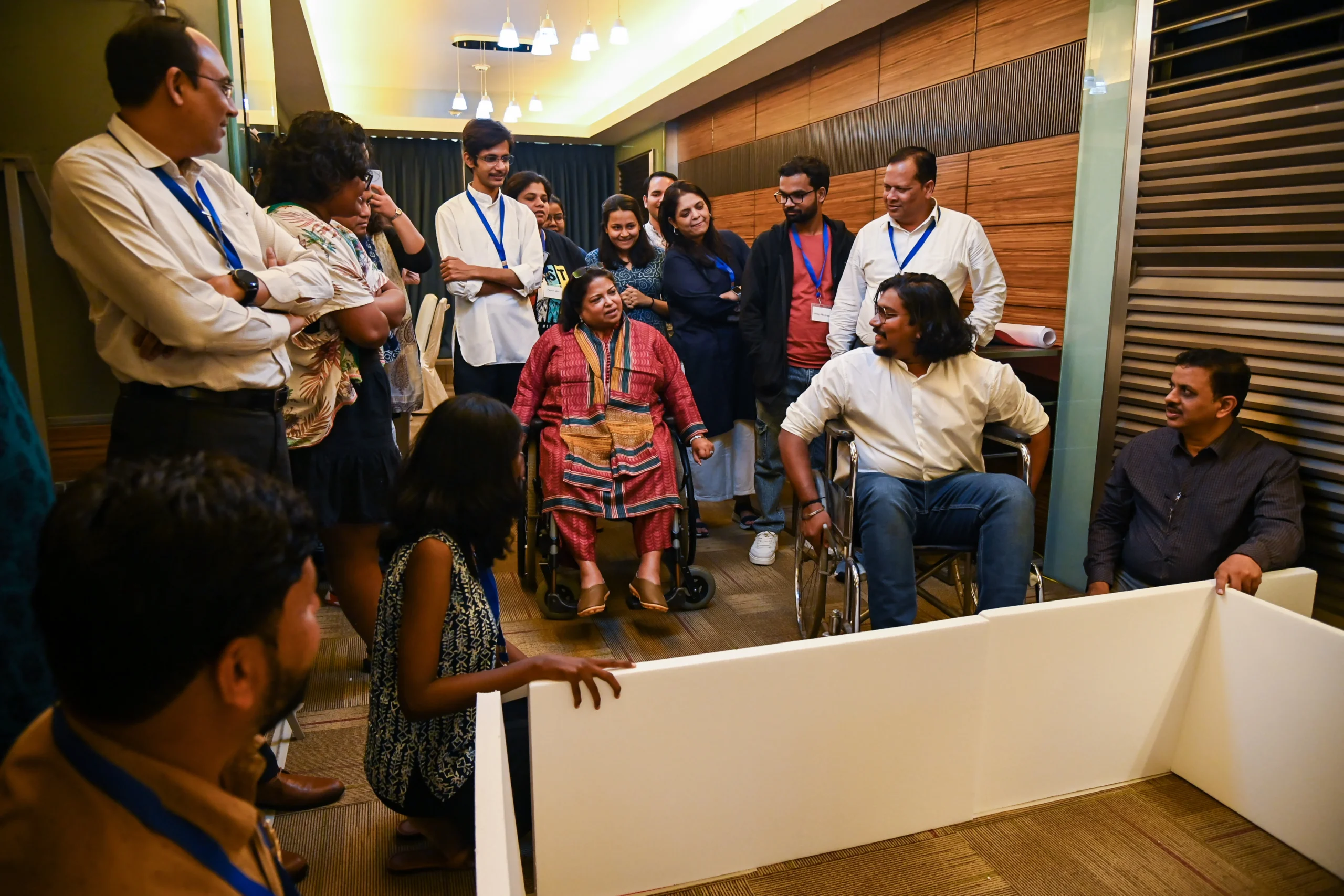
The Gender and WASH Institute by CREA is an annual residential learning programme that reimagines sanitation beyond infrastructure through a gender, sexuality, and rights-based approach. Using diverse pedagogical methods—readings, films, discussions, and role plays—it deepens understanding of inclusive sanitation and intersectionality.
Designed for WASH practitioners, development professionals, and movement leaders, the Institute offers an immersive space to question norms, amplify the voices of structurally excluded groups, and co-create strategies that promote dignity, equity, and justice in urban sanitation systems.
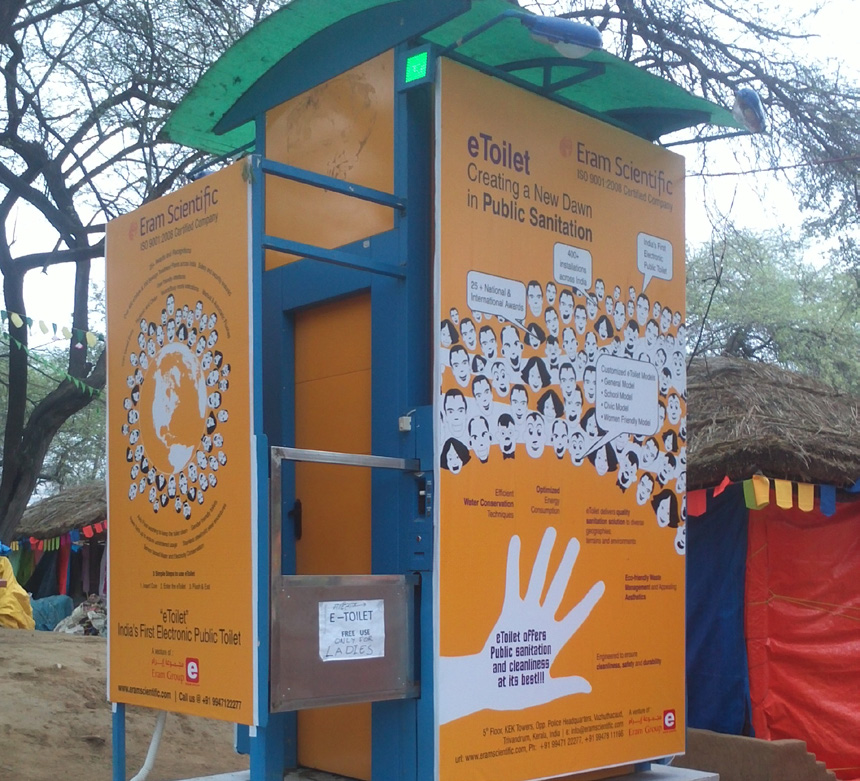
A 2025 survey in Kolkata found that 61% of women had no access to soap or hand-wash in public toilets, and over half reported dirty or unhygienic surroundings, even when they had to pay to use the facility. Source
Build your skills in inclusive Gender & WASH through curated training modules designed to support more equitable and rights-based sanitation practice.
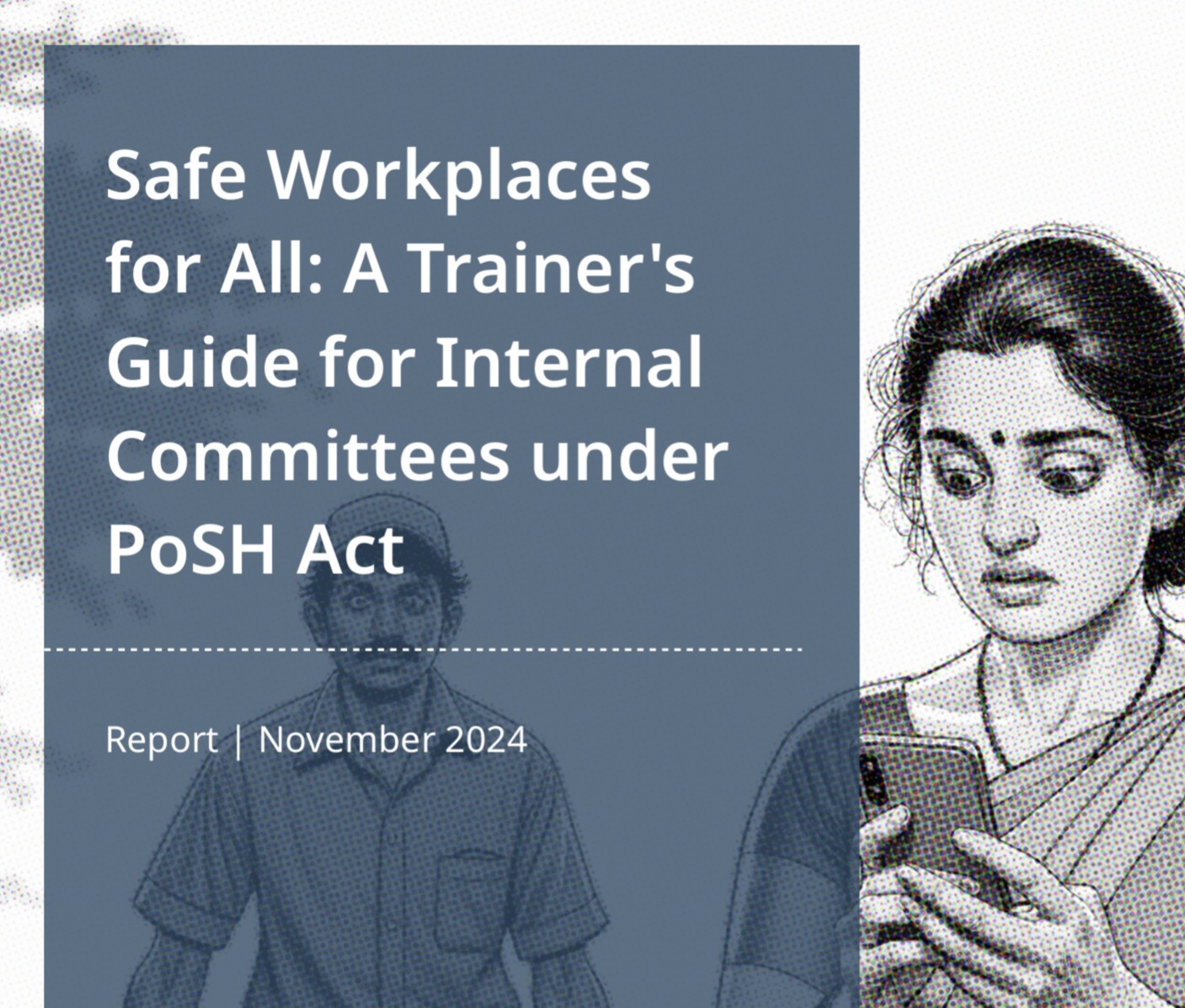
Improve your understanding of Gender & WASH through curated guides, briefs, and training tools designed to support more inclusive and equitable sanitation practice.
Bindhulakshmi Pattadath is an independent academic and ethnographer based in Mumbai. She holds a PhD in Sociology from IIT Bombay, an MA and MPhil in Social Anthropology, and was a Postdoctoral Fellow at the University of Amsterdam. Previously, she served as Associate Professor and Chairperson at the Advanced Centre for Women’s Studies, TISS. With expertise in gender, disability, sociology, and anthropology, she has designed and taught courses using feminist and intersectional frameworks. Her current work explores disability futures in India, particularly ageing and disability. She has published widely and, in 2024, taught in CREA’s Gender and WASH programme.
Connect with Bindhulakshmi – email
Dr Sangita Thosar is an Assistant Professor at the Advanced Centre for Women’s Studies, School of Development Studies, Tata Institute of Social Sciences (TISS), Mumbai. She has worked in the field of Women’s Studies since 2007 and has been teaching since 2009. She holds a PhD in Women’s Studies from TISS, where her research examined the construction of caste and patriarchy and the masculinisation of the public sphere through Maratha caste associations in Maharashtra after 1990. She has edited a research report on migrant women in Walunj and authored work on oral traditions, caste identity, and resistance. Her research interests include caste, gender, social movements, and citizenship.
Connect with Dr Sangita – email
Dr Sujith Koonan is an Associate Professor at the Centre for International Legal Studies, School of International Studies, Jawaharlal Nehru University (JNU), New Delhi. He completed his PhD at SOAS, University of London, where his research examined the conceptualisation and implementation of the right to sanitation in India. He holds an MPhil in International Law from JNU and an LLM in Human Rights and Environmental Law from Cochin University of Science and Technology. Dr Koonan has been working on issues related to water and sanitation for over 20 years. His published work spans themes including the right to sanitation, right to water, manual scavenging, rights of nature, and social movements.
Connect with Dr Sujith – email