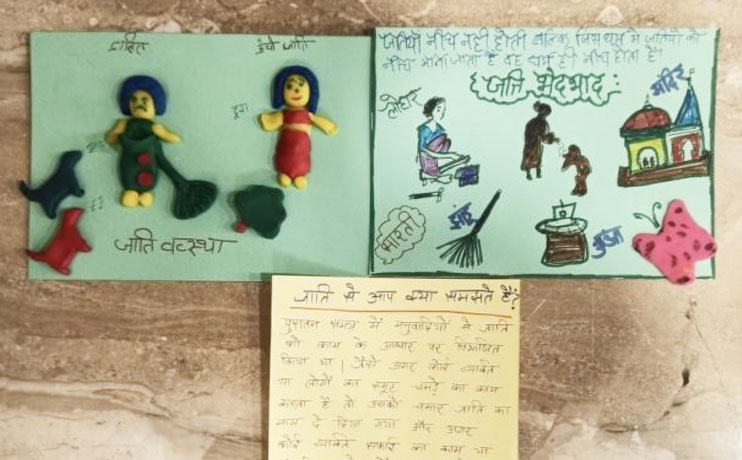
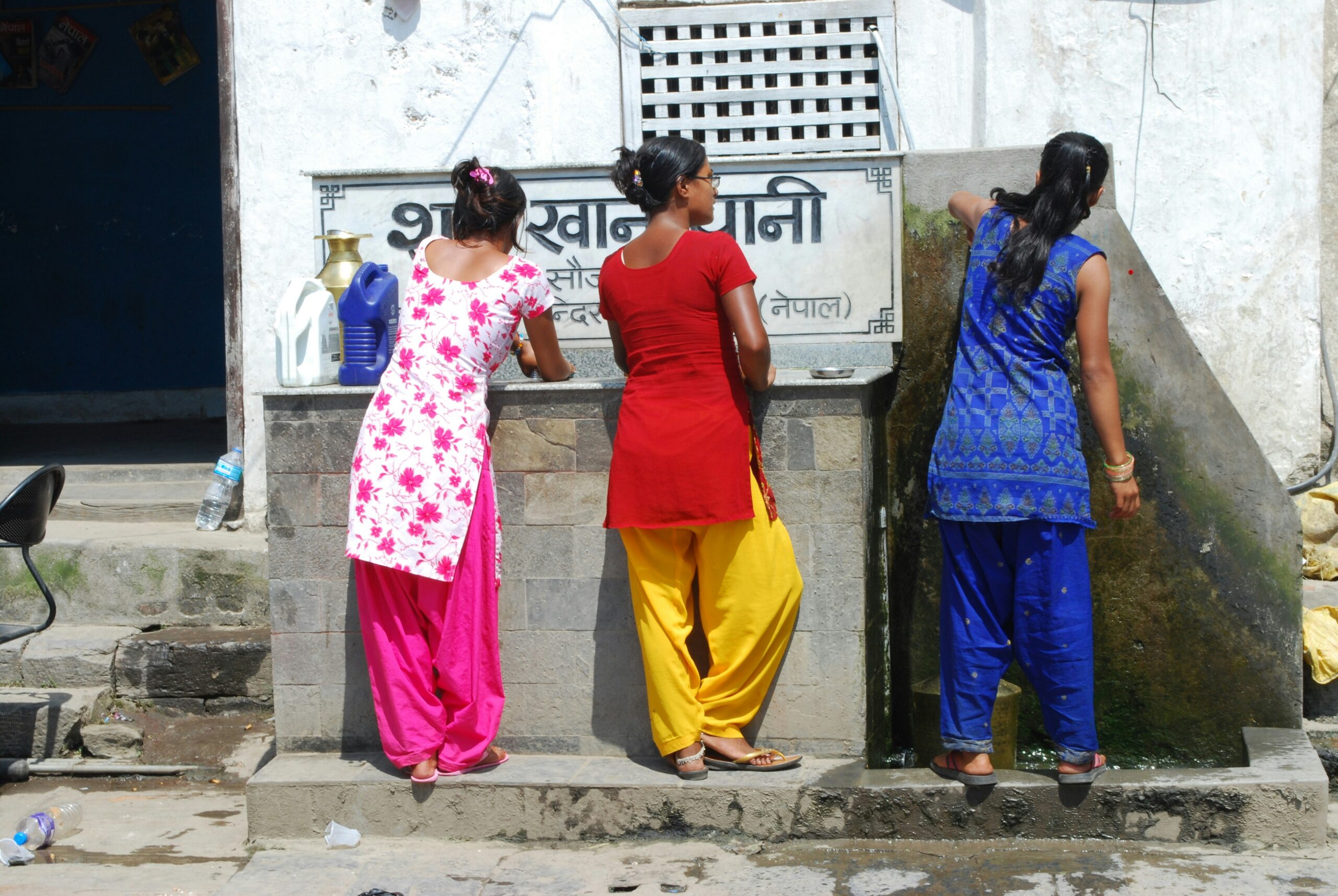
This is an emergent theme.
WASH technologies including mechanised fecal sludge cleaning systems, improved toilet designs, and public sanitation facilities are often presented as neutral solutions to sanitation challenges. However, technology is not gender-neutral; its design, deployment, and benefits are deeply shaped by gender, caste, disability, class, and other social hierarchies (Joshi et al., 2021; UNDP, 2022). When technologies fail to address the practical and strategic needs of structurally excluded groups, they can reproduce the very inequalities they are meant to overcome, keeping marginalised people at the peripheries of access, safety, and opportunity (Frontiers in Water, 2022).
Technological interventions in sanitation, such as Fecal Sludge Management (FSM) systems, sewer jetting machines, or public toilet infrastructure, often reflect the reference of male-centric, able bodied design and management. For example, toilet cubicles, urinal height, and the absence of facilities for menstrual hygiene reveal how “universal” designs may cater primarily to men (Bapat & Agarwal, 2003). Similarly, automation and mechanisation initiatives frequently assume male operators, excluding women from both training and employment in these new technical domains (USA for UNFPA, 2021).
Women are often confined to lower-paid and lower-status “light” sanitation jobs such as sweeping or dry latrine cleaning, while men operate heavy machinery or undertake higher-paying technical roles (Frontiers in Water, 2022). Moreover, protective equipment and uniforms are frequently designed for men, leaving women with ill-fitting or inadequate safety gear, and without appropriate facilities for rest or menstrual hygiene (Frontiers in Water, 2022).
Skill development initiatives also tend to marginalise women. Even in programmes introducing advanced machinery, women are often assigned auxiliary or cleaning roles rather than being trained as machine operators or supervisors. The Patna cooperative offers an exception yet such examples remain rare and localised (USA for UNFPA, 2021).
Indian innovations like Genrobotics’ Bandicoot and Solinas’ HomoSEP Atom are replacing hazardous sewer work with machines, making sanitation safer. But women’s inclusion and training remain key to ensuring these tech advances are truly equitable. Source
Mechanised Cleaning Cooperatives in Patna, Bihar
Launched in 2021, the Women’s Mechanized Cleaning Cooperative in Patna trains women sanitation workers to operate sewer and septic-tank cleaning machines, replacing hazardous manual labour with mechanised processes (USA for UNFPA, 2021). This intervention provides women with safer working conditions, enhanced income, and formal recognition within municipal sanitation systems. It demonstrates how gender-conscious technological planning can redistribute both risk and opportunity in sanitation work.
Women’s SHGs in Fecal Sludge Treatment Plants (Uttar Pradesh)
Under the AMRUT Mitra programme, women’s Self-Help Groups (SHGs) in cities such as Jaunpur, Sitapur, Raebareli, and Khurja manage operations and maintenance of hybrid technology-based Fecal Sludge Treatment Plants (FSTPs). These SHGs operate automated systems, including SCADA and screw-press machinery, roles traditionally dominated by men. Each SHG designates a supervisor while other members manage tasks ranging from sanitation to horticulture, supported by structured training and municipal contracts (Down to Earth, 2023). This approach not only integrates women into technical roles but also shifts perceptions of sanitation as dignified, skilled work.
Gender-Responsive Infrastructure Design
India’s AMRUT 2.0 Gender-Responsive Guidelines (MoHUA, 2023) emphasise the need for inclusive design in sanitation and water infrastructure. Features such as separate toilets, benches, nursing rooms, ramps, and adequate lighting are intended to address gendered safety and accessibility concerns, especially for women, children, elderly persons, and people with disabilities. Without these design considerations, public sanitation facilities risk remaining underutilised or unsafe for many potential users.
Garima Scheme in Odisha
Launched in 2020, the Garima Scheme by the Government of Odisha ensures dignity, safety, and social security for sanitation workers through formalisation, training, and mechanisation. It introduced mechanised cleaning tools, Personal Protective Equipment (PPE) kits, and digital monitoring systems to replace unsafe manual practices. Urban Local Bodies are mandated to employ only registered and trained workers, with welfare coverage and upskilling opportunities, particularly for women sanitation workers. By integrating technology and gender sensitivity, Garima has become a model for inclusive and safe sanitation reform in India. (Housing and Urban Development Department, Govt. of Odisha, 2020; UNDP India, 2022)
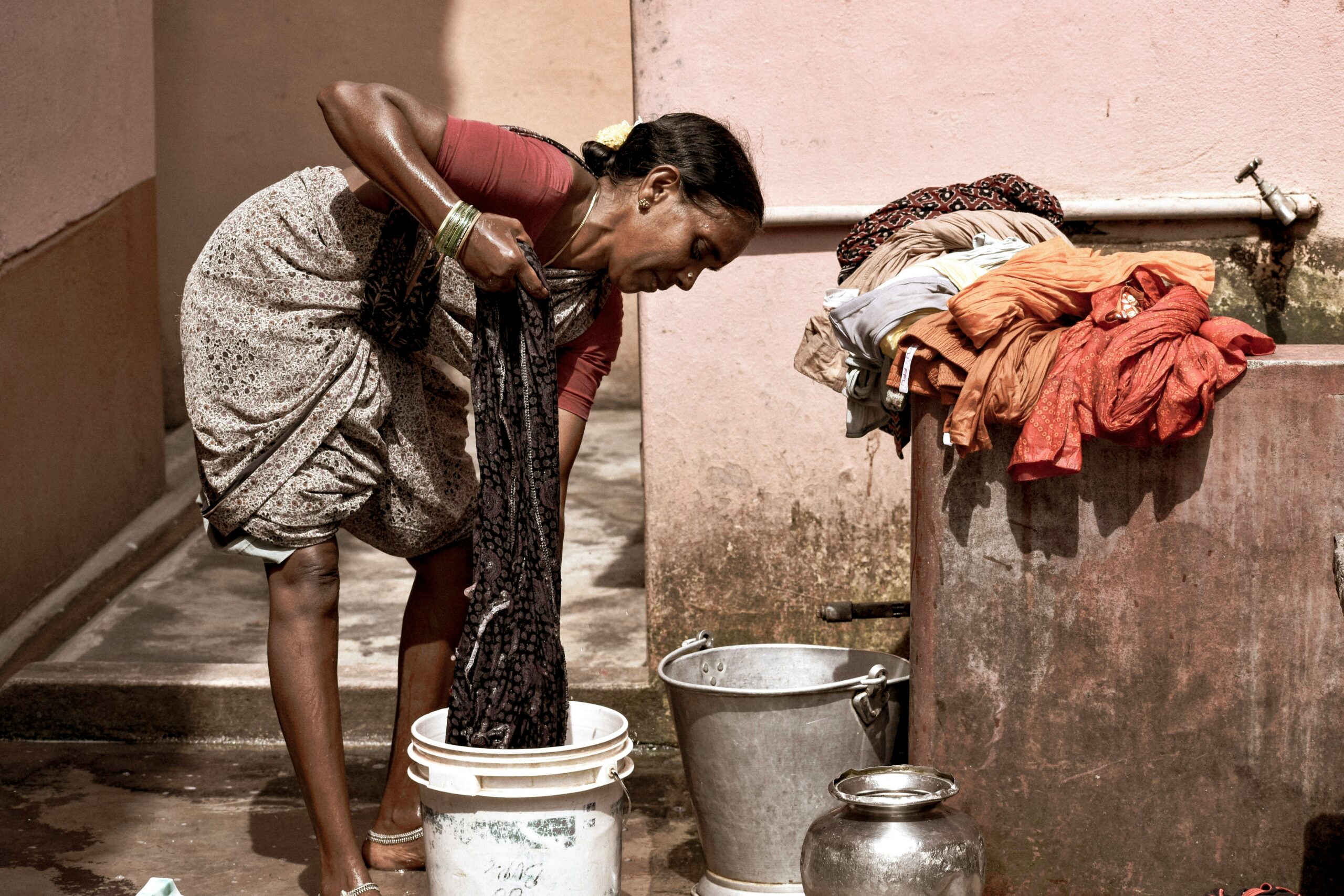
Gender is not the only axis shaping WASH technology access. In India, caste, class, and geography compound the exclusion faced by women and other marginalised genders (India Water Portal, 2023). For instance, Dalit women engaged in sanitation work face barriers to training, promotion, and fair wages within municipal structures (Behera & Mehta, 2020). Similarly, transgender sanitation workers remain largely unrecognised in technology-driven initiatives, despite facing disproportionate risks in informal sanitation labour (CREA, 2023). Such inequities underscore the need to analyse WASH technology not as isolated infrastructure, but as part of a social system of inclusion and exclusion.
A gender-transformative approach to WASH technology must begin with recognising that access, design, and operation are socially constructed. Applying a gender lens means ensuring that:
- Technologies are usable and safe for all users. Designs must respond to bodily diversity and safety concerns, such as menstrual management and accessibility.
- Capacity-building includes women and marginalised genders. Training, supervision, and technical certification should explicitly target those excluded from traditional skill pipelines.
- Benefits are equitably distributed. Technological “innovations” must not reinforce socio-economic inequalities; subsidies, contracts, and infrastructure access should prioritise those historically excluded.
- Power structures are reimagined. Inclusion should extend beyond participation to leadership, ensuring women and marginalised communities can influence technological decisions.
As WaterAid (2019) and UN Women (2023) note, without such transformation, WASH innovations risk being technocratic responses to deeply social problems. Gender-sensitive design and training are therefore central to ensuring sanitation technologies advance equality rather than replicate hierarchy.
- Bapat, M., & Agarwal, I. (2003). Our Needs, Our Priorities: Women and Men from the Slums in Mumbai and Pune Talk about Their Needs for Water and Sanitation. Environment and Urbanization, 15(2), 71–86.
- Behera, A., & Mehta, D. (2020). Transgender Rights and Sanitation Access in India. Journal of Gender Studies, 29(4), 403–417.
- CREA. (2023). Reimagining Sanitation through a Gender, Sexuality, and Rights-Based Lens: Gender and WASH Institute Report.
- Down to Earth. (2023). Women Breaking Barriers: SHGs Lead Operations at Faecal Sludge Treatment Plants in Uttar Pradesh.
- Frontiers in Water. (2022). Gender and Sanitation Work: Structural Exclusion and Technological Gaps in India’s Urban Sanitation.
- India Water Portal. (2023). Addressing Gendered Disparities in Water and Sanitation Access in India.
- Joshi, D., Fawcett, B., & Mannan, F. (2021). Feminist Perspectives on WASH: A Review of the Evidence. Gender & Development, 29(2), 189–208.
- Ministry of Housing and Urban Affairs (MoHUA). (2023). Gender-Responsive Guidelines for AMRUT 2.0.
- UNDP. (2022). Gender and Technology in Sanitation Systems: Beyond the Hardware.
- UN Women. (2023). Gender-Responsive WASH Programming: Guidance Note.
- USA for UNFPA. (2021). A Fresh Start for Women Sanitation Workers in India.
- WaterAid. (2019). Equality, Inclusion and Rights in WASH: Guidance Framework.