This is an emergent theme.
Climate change is a defining challenge of the twenty-first century, and its impacts are acutely visible in the domains of Water, Sanitation, and Hygiene (WASH). Rising temperatures, extreme heat events, droughts, and floods are straining already fragile WASH systems, particularly in the Global South (UN Water, 2023). However, these impacts are not experienced uniformly as gender, disability, caste, class, and location collectively shape how communities experience and respond to climate-induced WASH stress (UN Women, 2022; WHO & UNICEF JMP, 2023). Understanding the gendered and disability-related dimensions of climate–WASH linkages is therefore essential for building equitable and resilient systems.
Climate change can damage or destroy sanitation infrastructure, disrupt essential services, and reduce overall system efficiency, making progress toward universal access to safely managed sanitation both slower and more expensive (Hyde-Smith et al., 2022). Women, girls, and persons with disabilities, especially those at multiple intersections of marginalization, face systemic barriers to safe water and sanitation due to inaccessible infrastructure, safety concerns, social stigma, and exclusion from planning and decision-making.
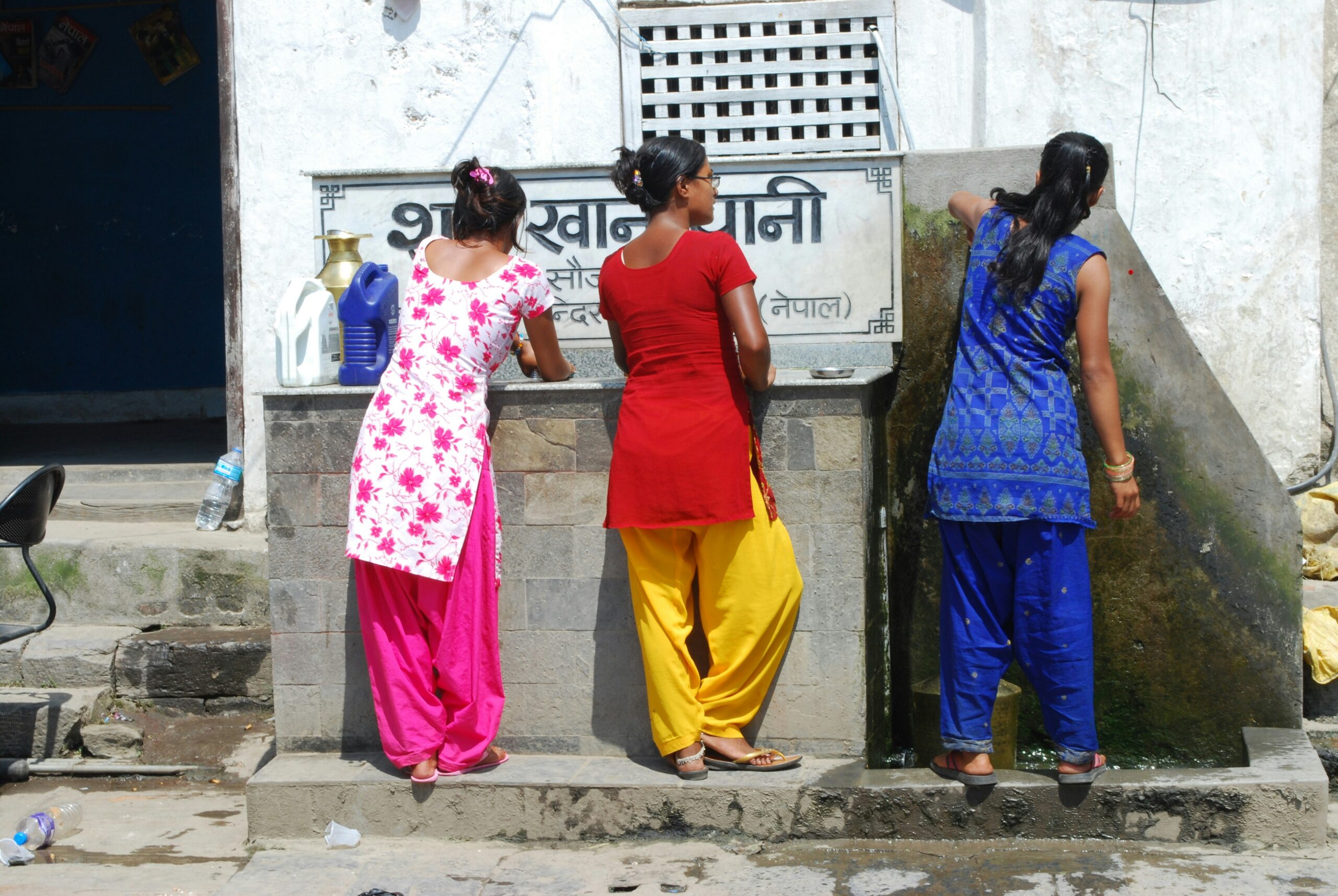
Climate variability disrupts water availability through erratic rainfall, depletion of groundwater, and prolonged droughts. Across India and much of the Global South, women and girls continue to shoulder the primary responsibility for collecting water (WaterAid, 2022). As climate conditions worsen, they travel longer distances or queue for hours, which reduces time for education, paid work, and rest, while increasing exposure to violence during water collection (UNICEF, 2021).
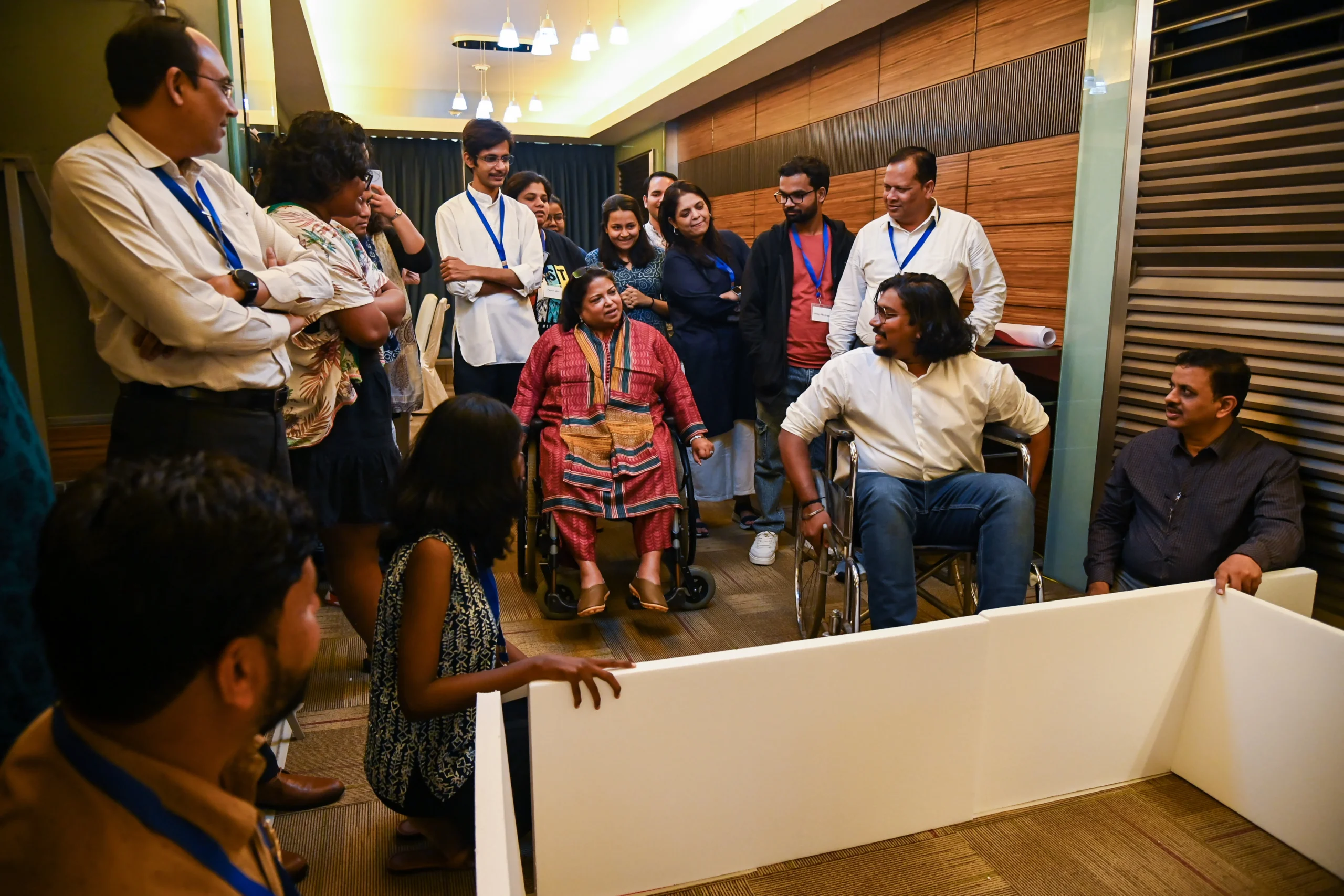
For women and girls with disabilities, these challenges are magnified. Mobility limitations, inaccessible terrain, and lack of assistive infrastructure (such as ramps or handrails at water points) restrict their access to water entirely (CBM India, 2022). Many depend on caregivers, usually other women, deepening the overall gendered time and care burden. In emergencies such as droughts or floods, persons with disabilities are often excluded from relief efforts or fail to reach safe, hygienic shelters (Humanity & Inclusion, 2022).
Insufficient water access also affects hygiene, including menstrual hygiene management (MHM). For women and girls with disabilities, especially those with intellectual or psychosocial disabilities, the absence of privacy, accessible toilets, and hygiene support can lead to severe indignity and health risks (India Water Portal, 2023).
In India’s drought-hit districts, women are 29% more likely to use unhygienic menstrual materials compared to non-drought areas, highlighting how climate-induced water scarcity directly undermines menstrual hygiene management. Source
Climate change also alters the working environments of sanitation workers. In India and across South Asia, sanitation work in India is performed primarily by individuals from historically marginalized castes, and increasingly by women and gender-diverse persons (Bezwada Wilson, 2021).
Heatwaves and prolonged monsoons intensify occupational hazards. Workers sweep roads in scorching heat or wade through flooded drains and septic tanks without adequate protective equipment (Centre for Policy Research, 2023). Women sanitation workers face particular vulnerabilities: ill-fitting safety gear, lack of menstrual hygiene facilities, and exclusion from technical training or supervisory roles (Down To Earth, 2023; Frontiers, 2022).
For sanitation workers with disabilities, especially those injured or impaired due to unsafe working conditions, there is often no social protection, rehabilitation, or alternative livelihood support. Extreme weather amplifies these risks, eroding health, income stability, and dignity (ILO, 2022).
Climate-related disasters frequently damage WASH infrastructure, leaving communities, especially those in informal settlements without safe toilets or clean water. Floods and cyclones destroy facilities, often forcing a return to open defecation or unsafe makeshift options (UNDP, 2022).
Women and persons with disabilities are disproportionately affected by this infrastructural fragility. For people with mobility or visual impairments, reaching temporary sanitation facilities during floods or droughts can be nearly impossible. The lack of tactile pathways, ramps, and gender-segregated accessible toilets deepens exclusion (UNESCAP, 2023). Aligning locally appropriate sanitation technologies and environmental standards with the right to sanitation is crucial for sustainable and climate-resilient outcomes.
While policies such as AMRUT 2.0 and the Swachh Bharat Mission (Urban) emphasise inclusivity, implementation often remains limited to gender binaries and overlooks accessibility. Without climate-resilient, universally designed facilities, WASH systems risk reinforcing the same inequities they aim to address.
To achieve resilience that is both social and environmental, a gender- and disability-responsive approach to climate and WASH must address four key imperatives:
- Community-based climate action: It focuses on participation and solutions that address the ways space and geography shape experiences of oppression, discrimination, and injustice and is aligned with the principles of intersectional climate justice (Amorim-Maia et al. Citation2022).
- Inclusive participation in decision-making: Women and persons with disabilities must be involved in local climate adaptation and water governance committees to ensure lived experiences shape design and policy (World Bank, 2021).
- Accessible and climate-resilient infrastructure: Water and sanitation systems must integrate locally appropriate sanitation technologies alongside universal design principles, including ramps, handrails, visual contrast, safe lighting, and accessible evacuation routes, particularly in disaster-prone regions (UNCRPD, 2016).
- Safe, dignified working conditions: Climate adaptation in urban sanitation must prioritise occupational safety, gender equity in training, and social protection for workers affected by heat or injury (ILO, 2022).
- Integrated monitoring and data: Climate–WASH indicators should disaggregate data by gender, disability, and caste to ensure that progress towards resilience is inclusive and measurable.
- AMRUT 2.0 Guidelines, Ministry of Housing and Urban Affairs (MoHUA), Government of India, 2023.
- Bezwada Wilson (2021). Manual Scavenging and Sanitation Work in India. Safai Karmachari Andolan.
- CBM India (2022). Inclusive WASH: Addressing Disability in Sanitation and Hygiene.
- Centre for Policy Research (2023). Climate Change and Urban Sanitation: Workers at the Frontline.
- Down To Earth (2023). Climate Change and Sanitation Work in Indian Cities.
- Frontiers (2022). Gender and Sanitation: Barriers to Equality in Occupational Health.
- Humanity & Inclusion (2022). Disability and Climate Resilience: Inclusive Humanitarian Action.
- ILO (2022). Occupational Safety and Health in Extreme Heat Conditions.
- India Water Portal (2023). Gendered Burdens in Water Collection and Climate Stress.
- UNCRPD (2016). Convention on the Rights of Persons with Disabilities.
- UNDP (2022). Climate Resilience and Gender-Based Violence Risks in Disaster Contexts.
- UNESCAP (2023). Disability-Inclusive Disaster Risk Reduction in Asia-Pacific.
- UNICEF (2021). Water Security and Girls’ Education in Climate-Stressed Regions.
- UN Water (2023). Water and Climate Change: Accelerating Progress.
- UN Women (2022). Gendered Impacts of Climate Change in the Global South.
- WaterAid (2022). Ripple Effect: Climate Change and Gender Inequality in WASH.
- WHO & UNICEF JMP (2023). Progress on Household Drinking Water, Sanitation and Hygiene.
- World Bank (2021). Women, Disability and Climate Adaptation: Pathways to Inclusive Resilience.
Further readings
- Caste, Gender, and Environmental Injustices in India's Urban Peripheries: Intersectional Inequalities, Decolonial Praxis
- Gender-Inclusive Water Governance for Climate Resilience in India
- Climate change and resilient WASH in South Asia
- Synergies and struggles: Water security and climate action in South Asia’s quest for SDG 6 and SDG 13
- Global South Academic Conclave: WASH and Climate Linkages | Report