We need inclusive toilets not just as a basic amenity, but as a fundamental human right.
Learn how gender diversity shapes sanitation needs and why inclusive design is essential for equitable WASH systems.
Sanitation systems designed around cis-normative assumptions often exclude transgender and gender-diverse people, making public facilities unsafe, inaccessible, or unusable. This exclusion limits participation in schools, workplaces, and public life, and exposes individuals to harassment, violence, and stigma. Many are forced to avoid using toilets or rely on unsafe alternatives, affecting their physical, emotional, and mental well-being.
Although Indian law recognises transgender persons as a “third gender”, lived realities show a wide gap between legal protections and daily experience. Advancing trans-inclusive sanitation requires approaches that move beyond binary gender norms and foreground dignity, safety, and equality.
The NALSA judgment affirms transgender persons’ right to access public facilities, including sanitation, as part of their fundamental rights. However, trans communities continue to face infrastructural exclusion, stigma, policy gaps, and a lack of gender-affirming provisions — from toilets to menstrual hygiene products.
Understanding sanitation as both a legal right and a matter of social justice highlights the urgent need for inclusive design, protection from discrimination, and accountability in implementation.
Explore how India’s policy frameworks address trans inclusion — and where gaps remain for meaningful, gender-affirming sanitation.
A 2025 survey in Kolkata showed that 52% transgender or queer people reported experiencing harassment inside public toilets. Source
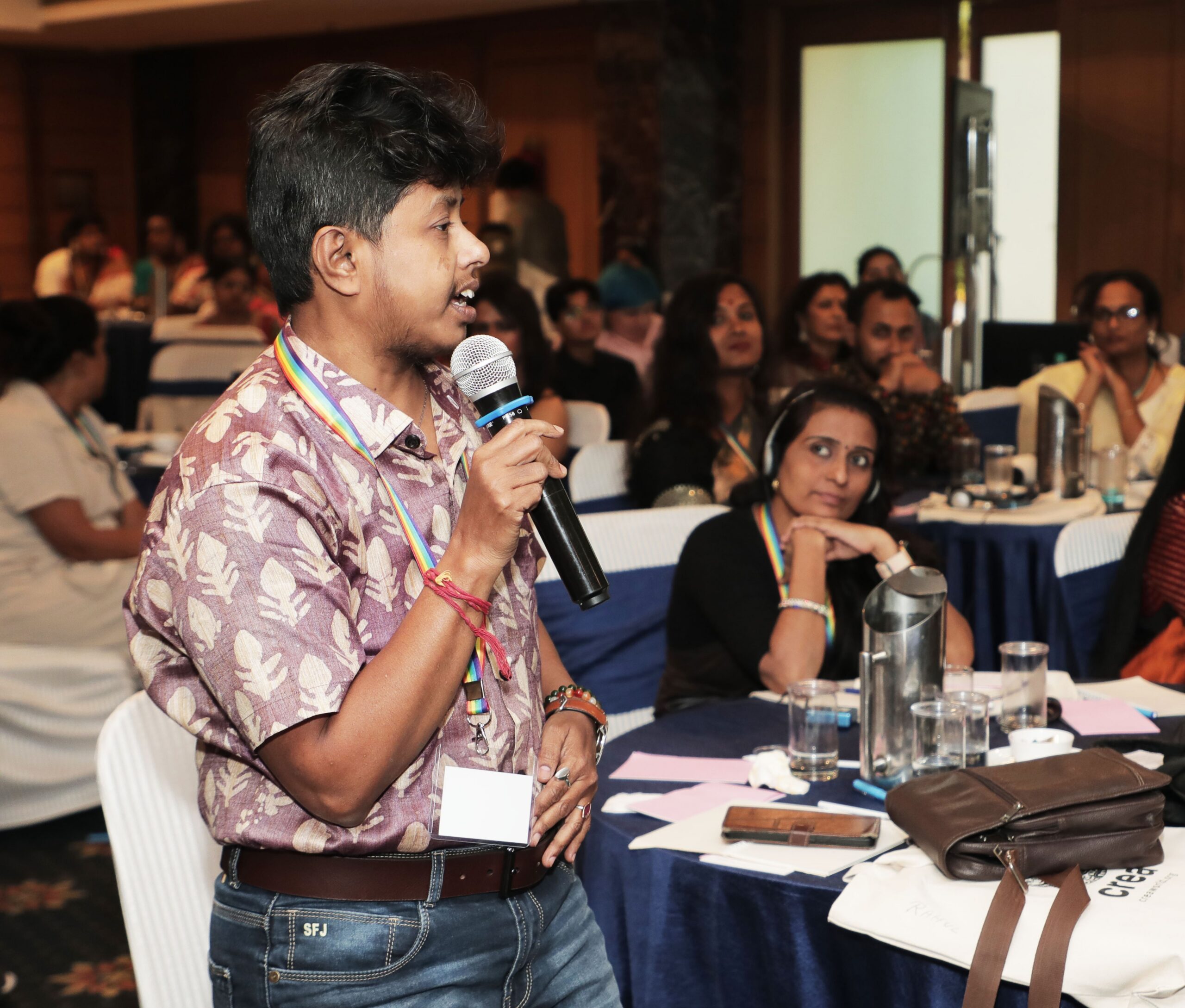
CREA’s National Consultation on Trans-Inclusive Sanitation brought together activists, practitioners, policymakers, and transgender community members to address the lack of data, visibility, and policy attention. Through lived experiences, participatory exercises, and open dialogue, the consultation highlighted key barriers such as safety concerns, stigma, and the debate between separate vs. integrated sanitation facilities.
It emphasised the need for systemic reform and the importance of embedding trans voices in planning and decision-making.
Explore insights from the National Consultation to understand the priorities and challenges shaping trans-inclusive sanitation.
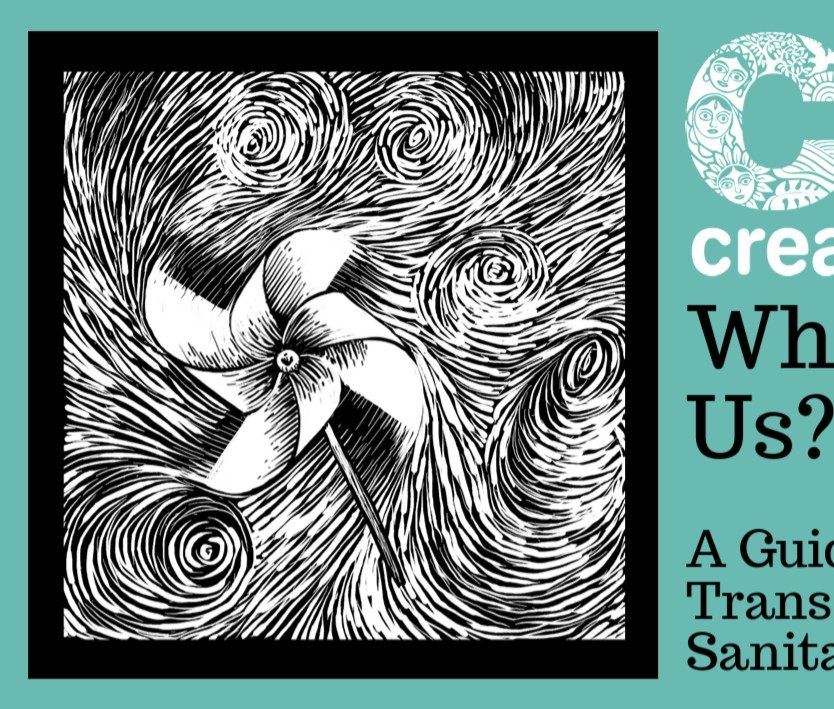
Improve your understanding of Trans-inclusive WASH through curated guides, briefs, and training tools designed to support more inclusive and equitable sanitation practice.
Aanchal is a queer-affirmative, trauma-informed psychologist and Founder of Another Light Counselling, a practice centring gender, sexuality, and trauma. Trained in EMDR, Internal Family Systems, and Somatic Experiencing, they work with queer, trans, and marginalised communities on identity, stigma, and systemic violence. They also contribute to policy and advocacy, including authoring A Guide to Trans-Inclusive Sanitation for CREA and preparing a policy brief for the National Trans Conclave. Their initiatives bring a rights-based, dignity-first approach to public health and infrastructure. By integrating therapy with advocacy, Aanchal advances accessibility, intersectionality, and dignity across health, education, and community well-being.
Abhina Aher is a renowned transgender activist and social change leader from India, dedicated to advancing gender inclusion and equality. With over two decades of experience in community development, she has been at the forefront of transgender rights, healthcare, education, and employment initiatives. She is the Founder of TWEET Foundation, which empowers transgender people through skilling, shelter, and leadership programmes. Abhina has worked with national and international organisations, influencing policies and corporate practices to build inclusive workplaces. Her tireless advocacy continues to create opportunities and dignity for transgender persons across India, inspiring a more just and inclusive society.
Connect with Abhina – email, LinkedIn, tweetindia.org
Dr Akkai Padmashali is a renowned transgender rights activist and the founder of Ondede, an organisation working at the intersection of gender, sexuality, and social justice. She has been a petitioner against Section 377, a member of committees framing Karnataka’s State Transgender Policy and Sexual Assault Law reforms, and has advised the Election Commission of India on inclusion. A recipient of the Karnataka Rajyotsava Award and the Business Line Changemaker Award, she is the first trans woman to receive the Ashoka Global Fellowship. Through her advocacy, she advances intersectional, rights-based approaches across WASH, health, and education sectors.
Connect with Dr Akkai – email