Gender, Caste, & WASH

This is an emergent theme.

Caste remains one of the most persistent structures shaping inequality in India’s sanitation landscape. Its intersections with gender and disability reveal how systems of purity, pollution, and patriarchy continue to determine both who performs sanitation labour and who is able to access safe, dignified WASH services. Addressing these inequities requires more than welfare measures. It demands structural transformation grounded in dignity, safety, and social justice.

Government data indicates that nearly 92 percent of sewer and septic tank workers belong to Scheduled Caste, Scheduled Tribe, or Other Backward Class communities, with approximately 68 percent identified as Scheduled Caste (Hindustan Times, 2025). Further, research shows that close to 97 percent of persons engaged in manual scavenging are Dalits, reflecting a long history in which sanitation labour has been imposed upon specific caste groups (Drishti IAS, 2023). This caste based division of labour is not merely historical; it continues to shape contemporary patterns of hazardous work, exclusion, and limited mobility within the sanitation economy.

Understanding WASH through a caste lens, while attending to its intersections with gender and disability, is essential to recognising how sanitation systems can reproduce or challenge entrenched social hierarchies.

The association between caste and sanitation work is historically entrenched, with Dalit communities disproportionately represented in the most stigmatized and hazardous tasks. Recent government data under the NAMASTE programme indicates that around 67 percent of identified sewer and septic-tank workers belong to Scheduled Castes. This reflects what scholars describe as “caste labour” – an inherited, socially enforced occupation shaped by stigma, restricted mobility, and systemic exclusion (HRW 2014; Scroll 2020). As Ambedkar observed, caste is not simply a division of labour, but a division of labourers.

The intersections of caste with gender and disability deepen these inequities. Dalit women are concentrated in the lowest-paid, most demeaning sanitation roles such as sweeping, manual latrine cleaning, and waste sorting, and often face heightened risks of harassment, violence, and lack of sanitation facilities at work (NCDHR 2023). Sanitation workers who acquire disabilities due to unsafe working conditions typically have little access to rehabilitation or alternative livelihoods, reinforcing cycles of exclusion (CLRA 2025).

DID YOU KNOW?

In India, only about 25.9 % of households belonging to Scheduled Castes (SC) and Scheduled Tribes (ST) have access to improved, non-shared sanitation facilities, compared with around 65.7 % of households in the “general” caste category. Source

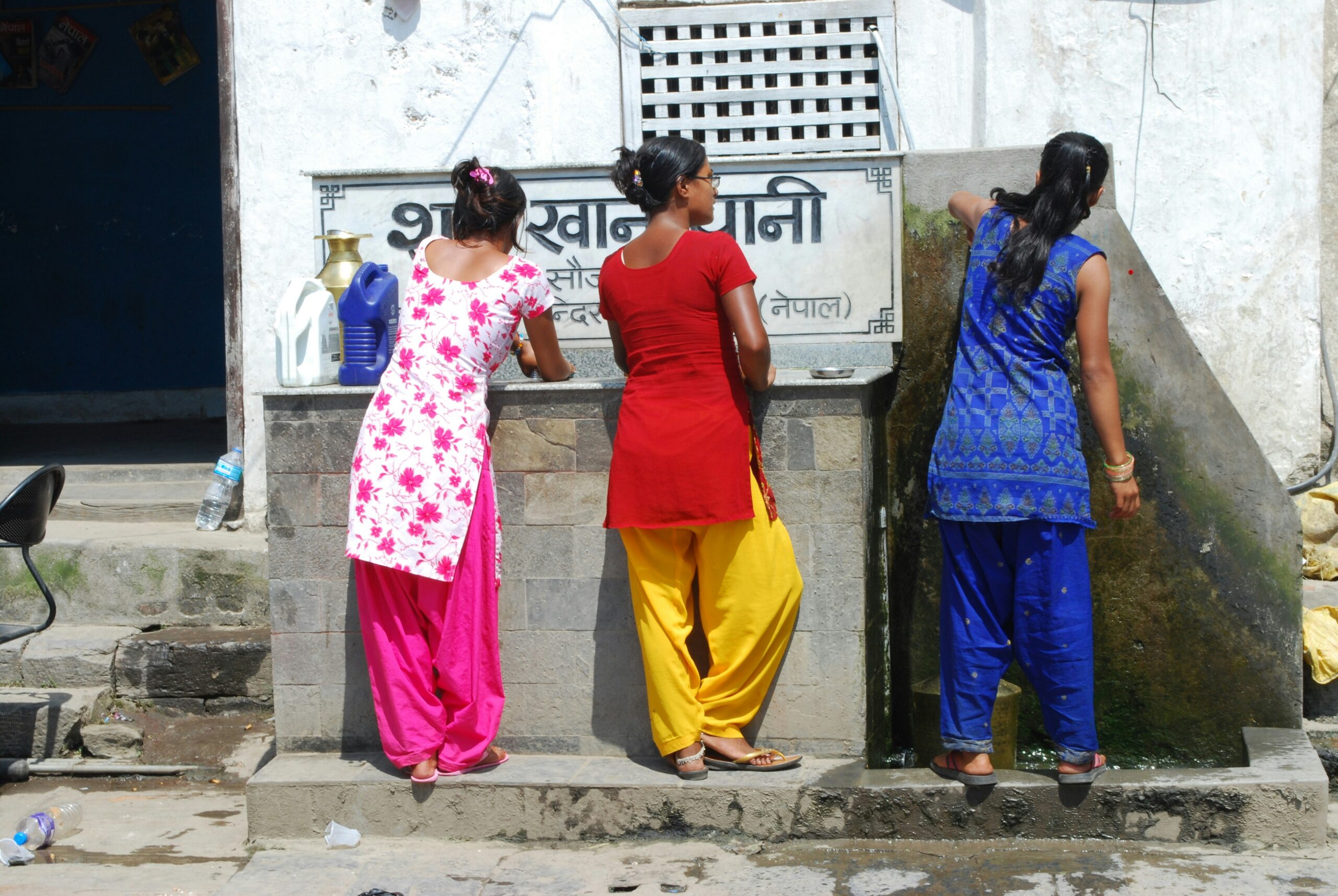
Caste-based discrimination does not end with sanitation labour; it also shapes who can access toilets, water, and hygiene facilities. Research from Tamil Nadu, Gujarat, and Madhya Pradesh shows that Dalit households are routinely denied entry to common or upper-caste toilets and water points, or relegated to segregated, poorly maintained facilities (UNICEF & WSSCC 2020; WaterAid 2021). In many villages, Dalits continue to face restrictions on drawing water from shared taps, being forced to collect it last or prohibited from touching the source (EPW 2019). These everyday exclusions reinforce social hierarchy, produce physical hardship, and entrench humiliation.

Climate stress and policy interventions often reproduce, rather than correct, these inequalities. During droughts or scarcity, caste hierarchies frequently determine whose water needs are prioritised (CPR 2023). Even large-scale programmes such as the Swachh Bharat Mission and AMRUT have expanded coverage without adequately addressing social segregation. Evidence shows that toilets built under SBM are sometimes sited in upper-caste neighbourhoods, making them inaccessible or unsafe for Dalit and Adivasi women (UNDP 2022). Together, these patterns demonstrate how caste continues to structure not only who performs sanitation labour but also who accesses dignified sanitation and water.

A transformative approach to caste, gender, and disability in WASH requires addressing both who works and who benefits. The following principles are key:

Dignified livelihoods: Mechanisation and formalisation of sanitation work must include caste-affected and women workers as skilled workforce, not just labourers.

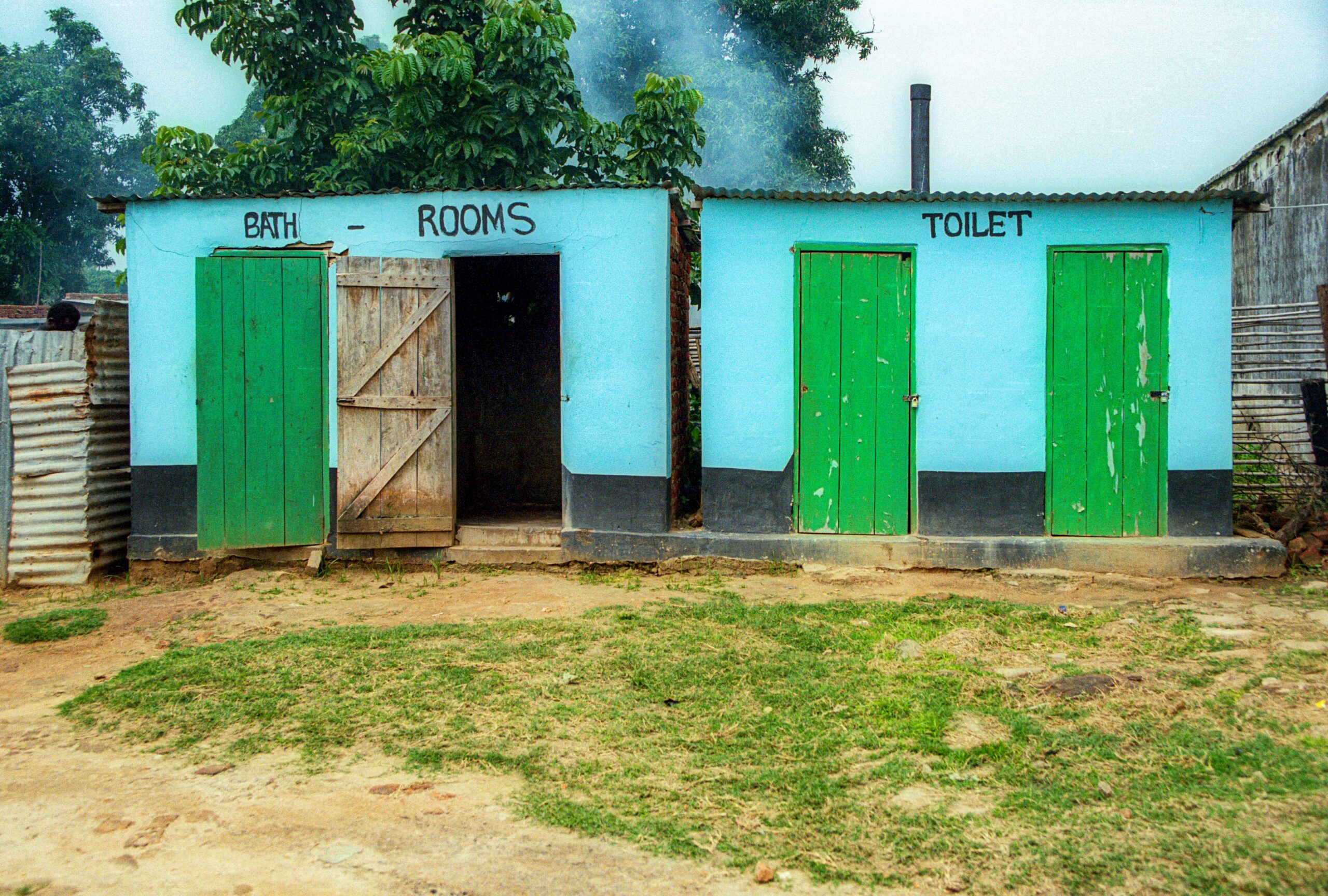
Inclusive access: Public and community sanitation facilities must ensure caste-neutral, gender-inclusive, and accessible design, with community-led monitoring to prevent segregation.

Social mobility and skill development: Targeted upskilling, education, and alternative livelihood schemes are essential for breaking generational cycles.

Accountability and representation: Sanitation worker cooperatives, especially those led by Dalit women and persons with disabilities, must have a voice in municipal planning and policy design.

  • Bezwada Wilson (2021). Manual Scavenging and Sanitation Work in India. Safai Karmachari Andolan.
  • CBM India (2022). Inclusive WASH: Addressing Disability in Sanitation and Hygiene.
  • Centre for Policy Research (2023). Caste and Inequality in Water and Sanitation Access.
  • Down To Earth (2023). Dalit Women Sanitation Workers and Mechanisation Gaps.
  • Economic & Political Weekly (2019). Caste and Access to Water in Rural India.

Subject-matter experts