Disability-inclusive WASH

Learn how disability profoundly shapes access to sanitation, as diverse impairments create distinct infrastructural and social barriers.

Sanitation systems often privilege able-bodied individuals, while overlooking the diverse needs of Persons with Disabilities (PwD). Particularly, women, girls, gender non-conforming, and trans individuals with disabilities face multiple and intersecting barriers across urban and rural contexts. These challenges often foster dependence on caregivers, limit personal agency, and ultimately compromise dignity, health, and basic rights. Without intentional inclusion, their rights and needs remain unaddressed, perpetuating cycles of marginalisation and inequity.

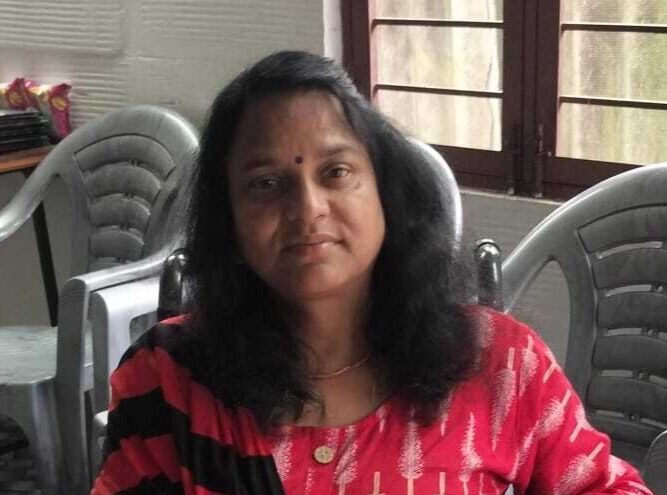
I started attending school at the age of ten, encouraged by a teacher who made me believe it was possible. During that time, awareness and facilities for children with disabilities were almost non-existent. I was a wheelchair user, but the school lacked a wheelchair accessible toilet. I used to avoid drinking water for the entire day, to avoid going to the toilet.

Know more
Kiran Naik
Transgender and Disability Rights Activist

Defined as a system of historical and contemporary policies, institutions, and societal norms, ‘Structural Ableism’ leads to the creation of WASH infrastructure that is exclusionary to people with disabilities by design. Feminist Disability Theory is used to critique the framing of disability as an individual deficit and instead highlights external barriers. It also emphasises how ableism and gender interact, compounding exclusions for women and gender-diverse persons with disabilities. While some policies and programs explicitly mandate barrier-free access to sanitation, they lack consistent, enforceable mechanisms and mandates for integration.

Read about the policies and frameworks that frame access to sanitation for people with disabilities as a fundamental human rights and social justice issue.

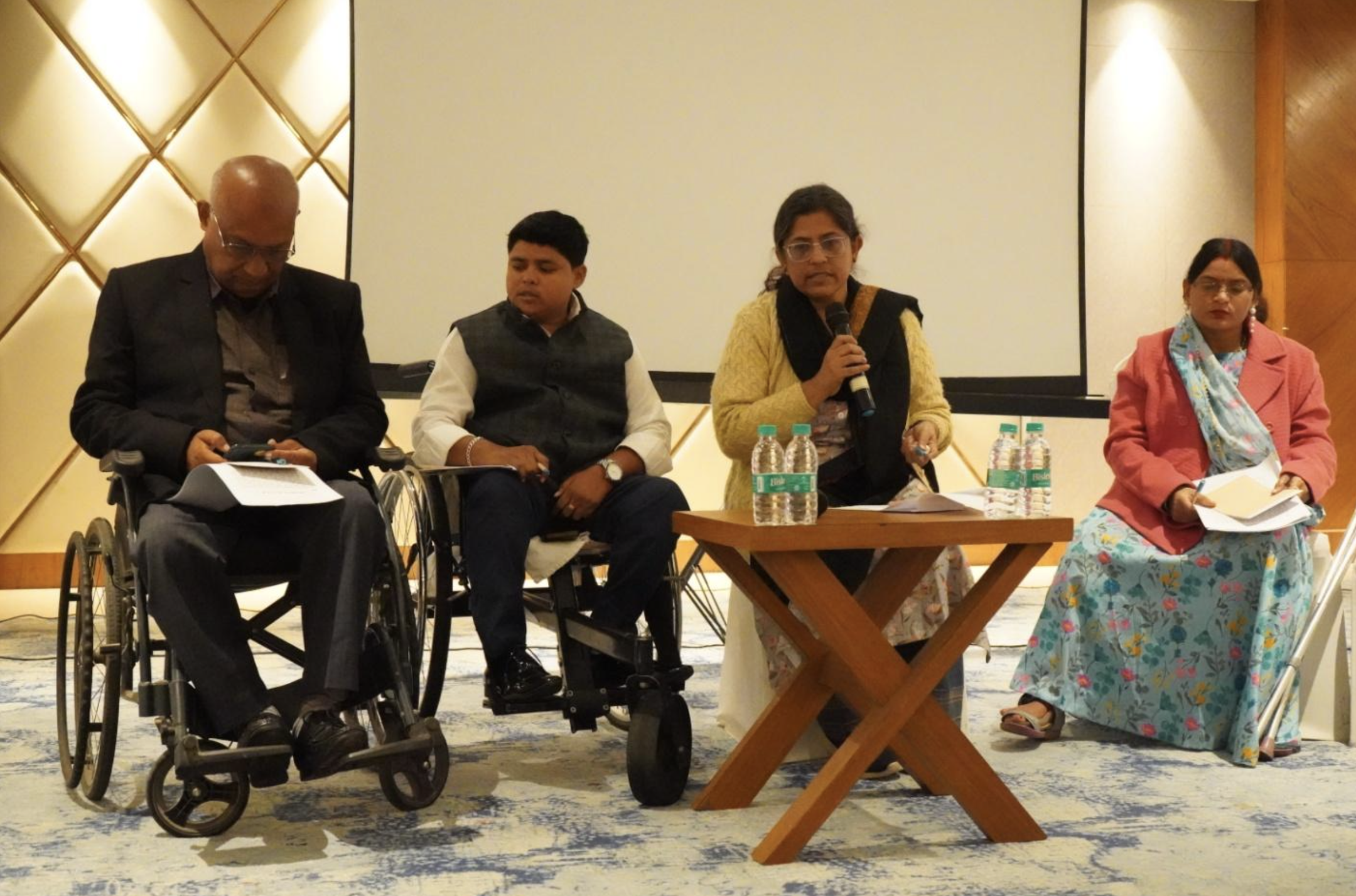
Held between 2024 and 2025, CREA’s national and state-level consultations convened disability rights activists, WASH practitioners, policymakers, civil society actors, and academics to spotlight the lived realities of people with disabilities. Through dialogue, shared experience, and collective reflection, these consultations generated strategies to advance inclusive, equitable, and rights-based sanitation practices.

Find out more about the dialogues between partners that addressed sanitation inequities by highlighting lived experiences, policy, and implementation gaps.

DID YOU KNOW?

In January 2024, the Rights of Persons with Disabilities Rules, 2017, were amended by the Ministry of Social Justice and Empowerment to include accessible piped water supply and accessibility standards for community toilets in rural areas, specifically for people with disabilities. Source

Improve your understanding of Disability-inclusive WASH through curated guides, briefs, and training tools designed to support more inclusive and equitable sanitation practice.

Subject-matter experts